Meet the CALM Program

We are dedicated to conducting research on mental health problems.
The CALM Program at UC Berkeley focuses on understanding the factors that promote better outcomes in bipolar disorder, and how to use those to develop new interventions. Our latest work on that front is focused on healthy lifestyles, and involves healthy eating and improving sleep.
Over the past 20 years, research by Dr. Johnson and the CALM Program have shown that mania is often triggered by processes related to reward and goals. In a series of papers, we’ve showed that bipolar disorder is related to specific problems with controlling impulses when people were feeling highly emotional—a problem that has been called emotion-related impulsivity. From there, we began to study emotion-related impulsivity more broadly across mental health domains. We have shown that this type of impulsivity is related to many mental health syndromes and to many of the behavioral problems, such as aggression, suicidality, and self-harm, that occur within those syndromes. You can read more about our work on emotion-related impulsivity here.
The CALM Program is led by Sheri L. Johnson, PhD, Professor of Psychology at the University of California at Berkeley, with support from the National Institute of Mental Health and Wellcome Trust. Our team on this project includes Lance Kriegsfeld at UC Berkeley, Greg Murray at Swinburne University, Satchidananda Panda and Emily Manoogian at Salk Institute, Liam Mason at UCL, and a panel of lived experience experts.
Dr. Johnson speaks on emotion-related impulsivity.
The team.

Sheri L. Johnson, Ph.D.
Dr. Johnson is a professor of psychology at the University of California Berkeley, where she directs the Calm Program. Her work has been funded by the National Alliance for Research on Schizophrenia and Depression, the National Institute of Mental Health, the National Science Foundation, and the National Cancer Institute. She has published over 200 manuscripts, including publications in leading journals such as the Journal of Abnormal Psychology and the American Journal of Psychiatry, and is co-editor or co-author of five books, including Emotion and Psychopathology and a best-selling textbook on Abnormal Psychology (Wiley Press). Dr. Johnson is a fellow for Association for Behavioral and Cognitive Therapies (ABCT), the Association for Behavioral Medicine Research and the American Psychological Society. Most weekends, you can find Dr. Johnson hiking and cycling.
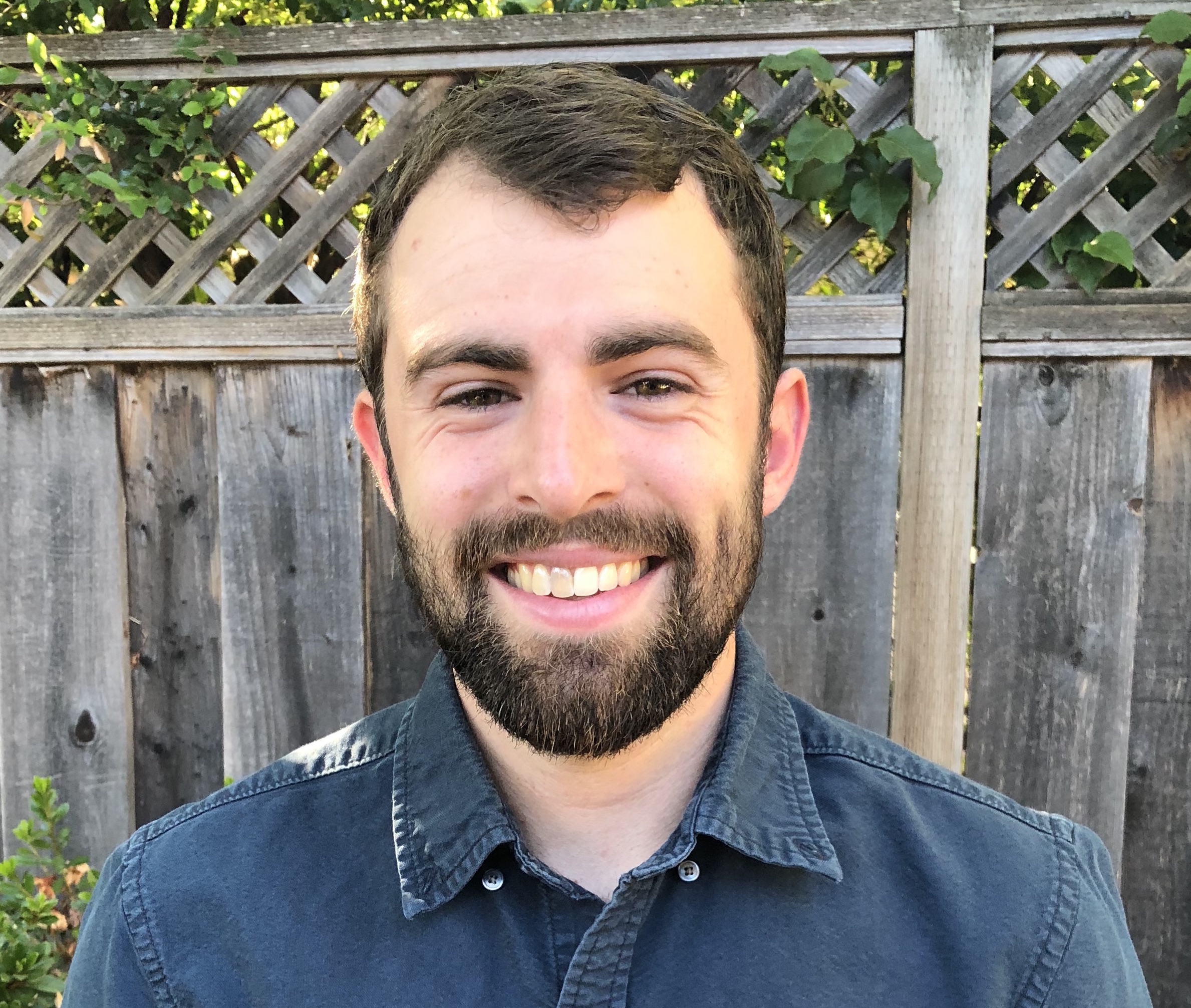
Matthew Elliott, Ph.D.
Dr. Elliott is a Postdoctoral Research Fellow in the UC Berkeley CALM Program. In 2025, he earned his Ph.D. in Clinical Science from UC Berkeley under the mentorship of Prof. Sheri Johnson. Dr. Elliott completed his pre-doctoral clinical internship with the UC San Diego / VA San Diego Consortium specializing in evidence-based assessments and psychotherapies to support recovery from trauma, mood and sleep dysregulation, and suicidal ideation. Dr. Elliott’s research investigates how brain structure and function contribute to risk for psychopathology, with a particular focus on the neural underpinnings of emotion-related impulsivity and mood episodes. Through this work, he aims to contribute to more precise neurocognitive models of clinical risk and resilience.

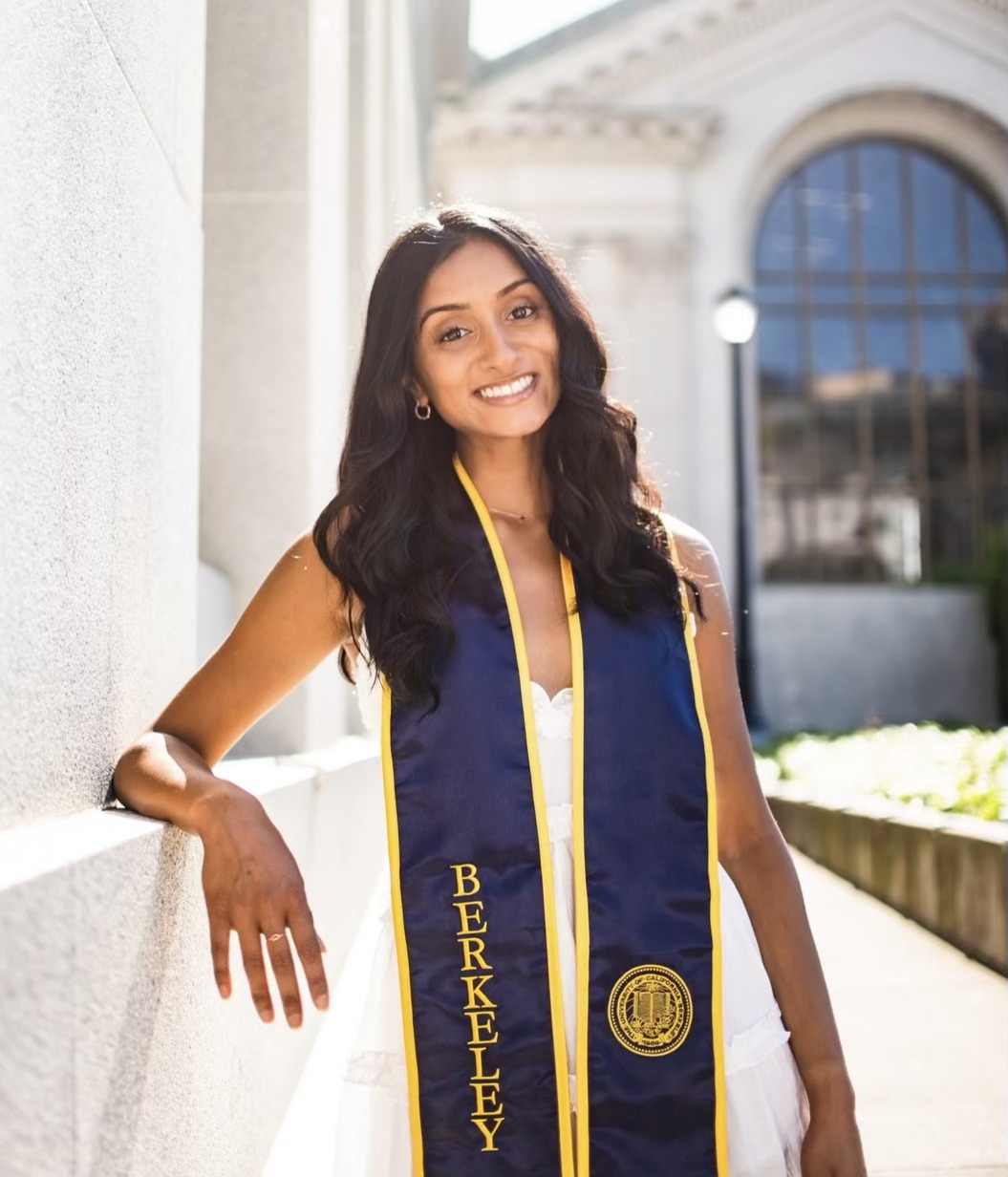
Nandini Rajgopal, B.A.
Nandini is our coordinator of studies on emotion and cognition as well as healthy lifestyles in bipolar disorder. She graduated from UC Berkeley in 2022, majoring in Psychology and Molecular and Cell Biology with a concentration in Neurobiology. Nandini aims to pursue a PhD in Clinical Psychology and is passionate about increasing diversity and representation in the mental health field. She is particularly interested in serious mental illnesses such as mania and psychosis, and wants to learn more about intersection between neurobiology and psychology. In her free time, Nandini loves to sing, dance, and read.

Jake Gibson, B.A.
Jake serves as a coordinator to our healthy lifestyles in bipolar disorder study. He began working as a clinical trial coordinator at UCSF after graduating from San Francisco State in 2020. Jake’s research background includes projects on emotional reactivity and interventions for schizophrenia and bipolar populations. His research interests center on accessible mental health interventions and community-participatory methodologies. Jake plans to pursue a PhD in Clinical Psychology and a career in research and teaching.

Paulina Ortega, B.A.
Paulina is a coordinator for our Rhythms & Rewards study. She graduated from CSU Fullerton during the fall of 2024, majoring in Psychology as a part of the Ronald E. McNair Scholars Program and a Sally Casanova Pre-Doctoral Scholar. Paulina aims to pursue a Ph.D. in Clinical Psychology with an interest in strength-based and community-based intervention research. During her free time, Paulina enjoys reading, hiking, and listening to music.

Eman Magzoub, B.A.
Eman currently serves as a research coordinator for the Rhythm and Rewards study. Eman graduated from UCLA with a bachelors in psychology. In addition to working in the CALM lab, Eman currently works as a research coordinator and mental health coach at the STAND program at UCLA. Eman is interested in pursuing a Clinical Psychology Phd with a focus on resilience factors and community level intervention for racially minoritized individuals. In her free time, Eman enjoys hosting tea nights for her friends, watching movies and traveling.

Robert Villanueva
Experiencing the stigma of being diagnosed with bipolar inspired Robert to become an advocate for people with serious mental illness. His dedicated work, including serving as a regional and national NAMI advocate and working in multiple labs at Cal, has intensified his commitment to speaking and mentoring in the arena of lived experience. Robert is on the Healthy Lifestyles for Bipolar Disorder team, serving as the lead of the Lived Experience Advisory Board (LEAB).

Kim Pape, B.A.
Kim Christine Pape is a staff research associate at the CALM Program, primarily involved in clinical interviewing, coaching, and lived experience advising for the Healthy Lifestyles project. She graduated with honors from UC Berkeley in 2024, and is also a research coordinator in the Positive Emotion and Psychopathology Lab at CU Boulder. Kim’s research interests involve the improvement of early detection and intervention for bipolar disorder, goals that are also of personal significance due to her journey in navigating the diagnosis. More broadly, she is also fascinated by the cognitive and emotional processes involved in bipolar psychopathology. Kim plans to pursue a PhD in clinical psychology and enjoys expressing herself with fashion and makeup, seeing live music, and making jewelry.
Collaborators.
Abby Adler Mandel, PhD, Catholic University of America.
Amelia Dev, BA (staff alum).
Amy Sanchez, PhD (former graduate student).
Andrew Peckham, PhD, McLean Hospital.
Ann Kring, PhD, UC Berkeley.
Ben Swerdlow, PhD Lake Forest College.
Claudia Haase, PhD, Northwestern University.
Daniel Fulford, PhD, Boston University.
David Jobes, PhD, Catholic University of America.
Deanna Barch, PhD, Washington University in St. Louis.
Devon Sandel, PhD, University of Washington, Seattle.
Eline Berle, cand.psychol, University of Bergen.
Ephrem Fernandez, PhD, UT San Antonio.
Erin Michalak, PhD, University of British Columbia.
Evan Kleiman, PhD, Rutgers.
Greg Murray, PhD, Swinburne.
Iris Mauss, PhD, UC Berkeley.
June Gruber, PhD, University of Colorado, Boulder.
Kiara Timpano, PhD, University of Miami.
Kiana Modavi (statistical consultant).
Lesley Berk, PhD, Deakin University.
Liam Mason, UCL.
Mackenzie Zisser, BA (staff alum).
Michael Berk, MD, Deakin University.
Michael Freeman, MD.
Morgan Robison, BS (staff alum).
Patricia Porter (UCB graduate student).
Sarah Victor, PhD, Texas Tech.
Sharon Glantz
Thomas Joiner, PhD, Florida State University.
Ursula Beerman, PhD, University of Geneva.
Current Research Assistants
Sooyeon Kim
Kim Pape
Paulina Ortega
Marlee Neugass
Jackie Carrillo
Jenny Gao
Anna Pingol
Lianna Soriano
Maya Marquez-Garcia
Leila Rosenberg
Nathan Bae
Martiza Villamin
Geetika Kapoor
Sarah Benedict
Anjuli Hernandez-Kapila
Wenqing Li
Luiza Correia
Sky Morgen
Selena Gomez
Peter Baxter
Justin Lee
Amitai Bernstein
Vivien Black
Scout Guerisoli
Anita Tao
Selected Publications from the Team
Gruber, J., Mendle, J., Lindquist, K. A., Schmader, T., Clark, L. A., Bliss-Moreau, E., Akinola, M., Atlas, L., Barch, D. M., Barrett, L. F., Borelli, J. L., Brannon, T. N., Bunge, S. A., Campos, B., Cantlon, J., Carter, R., Carter-Sowell, A. R., Chen, S., Craske, M. G., … Williams, L. A. (2021). The Future of Women in Psychological Science. Perspectives on Psychological Science, 16(3), 483–516.
Callahan, J. L., Bell, D. J., Davila, J., Johnson, S. L., Strauman, T. J., & Yee, C. M. (2021). Inviting ASPPB to address systemic bias and racism: Reply to Turner et al. (2021). The American Psychologist, 76(1), 167–168.
Swerdlow, B. A., Johnson, S. L., Timpano, K. R., Porter, P. A., & Dev, A. (2021). Longitudinal associations between internalizing symptoms, social behavior, and social perceptions in the initial months of the COVID-19 pandemic: Findings from a transdiagnostic community sample. Journal of Affective Disorders, 294, 805–812.
Callahan, J. L., Bell, D. J., Davila, J., Johnson, S. L., Strauman, T. J., & Yee, C. M. (2020). The enhanced examination for professional practice in psychology: A viable approach? American Psychologist, 75(1), 52–65.
Publications Relevant to Impulsivity
Carver, C. S., Johnson, S. L., & Joormann, J. (2008). Serotonergic Function, Two-Mode Models of Self-Regulation, and Vulnerability to Depression: What Depression Has In Common with Impulsive Aggression. Psychological Bulletin, 134(6), 912-943.
Carver, C. S., Johnson, S. L., Joorman, J., Kim, Y., & Nam, J. (2011). Serotonin transporter polymorphism interacts with childhood adversity to predict aspects of impulsivity. Psychological Science, 22(5), 589-595.
Auerbach, R. P., Stewart, J. G., & Johnson, S. L. (2017). Impulsivity and suicidality in adolescent inpatients. Journal of Abnormal Child Psychology, 45, 91-103.
Johnson, S.L., Zisser, M., Sandel, D., Swerdlow, B., Carver, C.S., Sanchez, A., & Fernandez, E. (2020). Development of a brief online intervention to address aggression in the context of emotion-related impulsivity: Evidence from a wait-list controlled trial. Behaviour Research and Therapy, 103708.
Elliott, M., Hsu, M., Uddin, L., Timpano, K., & Johnson, S. (2021). Locus Coeruleus—Anterior Insula Functional Connectivity Predicts Emotion-Related Impulsivity as a Function of Reward Magnitude. Biological Psychiatry, 89(9), S264.
Johnson, S. L., Swerdlow, B., Tharp, J. A., Chen, S., Tackett, J., & Zeitzer, J. (2021). Social dominance and multiple dimensions of psychopathology: An experimental test of reactivity to leadership and subordinate roles. PLOS ONE, 16(4), e0250099.
Publications Relevant to Bipolar Disorder
Johnson, S. L., Cuellar, A., Ruggero, C., Perlman, C., Goodnick, P., White, R., & Miller, I. (2008). Life events as predictors of mania and depression in bipolar I disorder. Journal of Abnormal Psychology, 117, 268-277.
Johnson, S.L., Edge, M. D., Holmes, M. K., & Carver, C. S. (2012). The Behavioral Activation System and mania. Annual Review of Clinical Psychology, 8, 243-267
Samtani, S., Moulds, M. L., Johnson, S. L., Ehring, T., Hyett, M. P., Anderson, R., & McEvoy, P. M. (2021). Higher order repetitive negative thinking is more robustly related to depression, anxiety, and mania than measures of rumination or worry. Cognitive Therapy and Research.
Bowe, S., Foley, F., Fletcher, K., Thomas, N., Michalak, E., Berk, L., Berk, M., Cotton, S., Engel, L., Johnson, S. L., Jones, S., Kyrios, M., Lapsley, S., Mihalopoulos, C., Perich, T., & Murray, G. (2021). Is Mindfulness a more effective intervention than Psychoeducation for reducing Bipolar Disorder-related symptoms of depression? International Journal of Epidemiology 50(Supplement_1).
Smucny, J., Tully, L. M., Howell, A. M., Lesh, T. A., Johnson, S. L., OʼReilly, R. C., Minzenberg, M. J., Ursu S., Yoon, J. H., Niendam, T. A., Ragland, J. D., & Carter, C. S. (2021). Schizophrenia and bipolar disorder are associated with opposite brain reward anticipation-associated response. Neuropsychopharmacology, 1-9.
Tharp, J. A., Johnson, S. L., & Dev, A. (2021). Transdiagnostic approach to the dominance behavioral system. Personality and Individual Differences, 176, 110778.